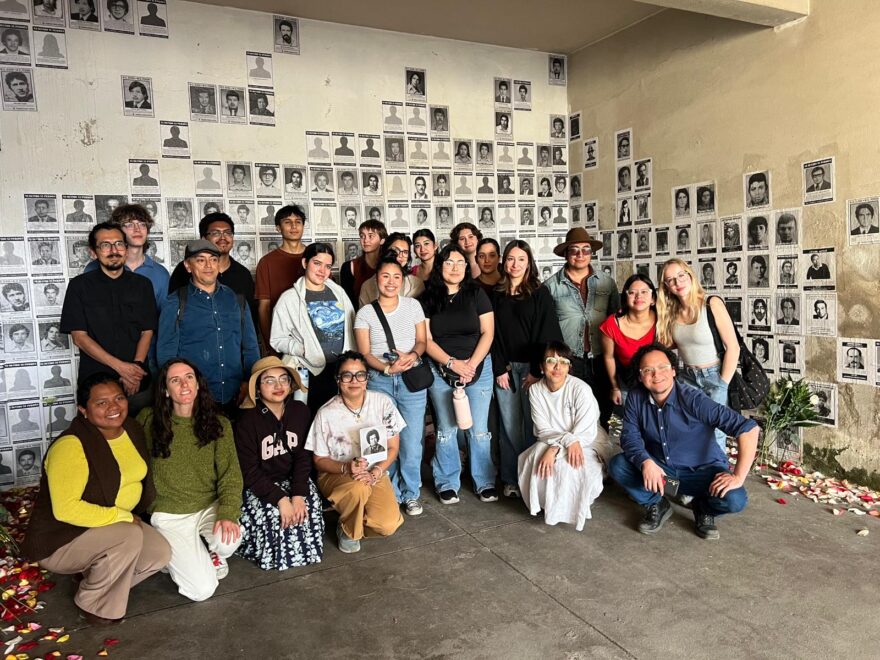
Pictured Above: Students at the Museum at Parque Intercultural in Xela. Dr. Saravia’s great aunt is part of this mural created by the HIJ@S group in Guatemala.
Have you been looking for a study abroad opportunity? DePaul’s Identities Abroad programs are “short-term study abroad programs on topics related to multiculturalism in a U.S. context, which then visit a destination abroad for 8-12 days at the end of the quarter to examine the topic from an international perspective.”
WRD faculty member Dr. Lydia Saravia will be teaching LSP 200: Human Rights & Activism in the Americas in the Autumn Quarter. According to its course description, LSP 200 “will examine the lasting effects of political and historical events (in the 1970s and 1980s in Central America) and its impact on today’s migration movements to the U.S. Further, we will be looking at the ways in which activists and artists have responded to historical events through Central America.” Not only will students get to engage in active conversations in the classroom, but after completion of the course, Dr. Saravia will accompany her class to the heart of Central America: Guatemala! Read on to hear from Dr. Saravia directly to learn more about this opportunity to enrich your studies and do meaningful work.
How have you seen students grow or change during the program?
More than grow and change, I was in awe of how students were active listeners as we visited each organization and museum. They listened, engaged, and were curious learners. The first group was open to try new things and foods. I was inspired by their openness and their curiosity.
What makes this program different from other study abroad opportunities?
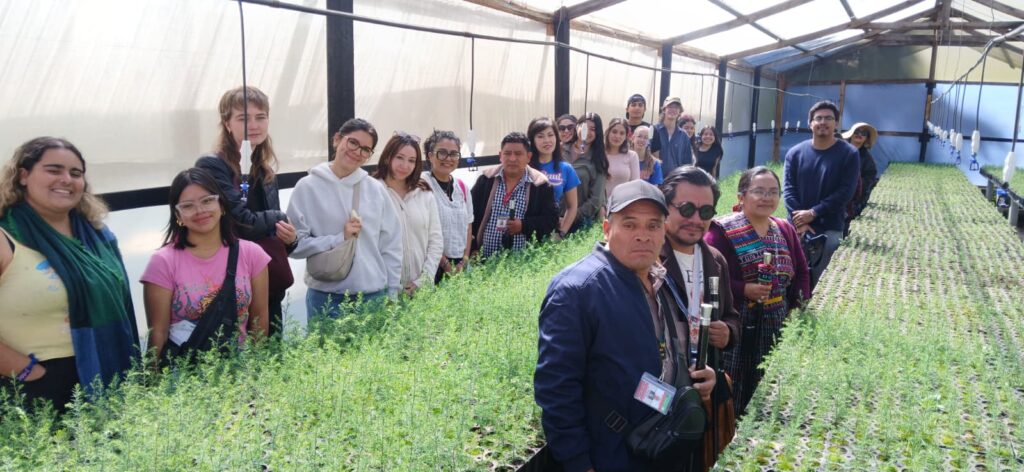
One of the things I am proud of is that we work with a local Chicago-based community partner. This section of LSP 200 partners with Chicago Religious Leadership Network, CRLN. CRLN was heavily involved in the itinerary, and they traveled with us. CRLN partners with several community organizations across Latin America, and they have been enthusiastic and generous to help us with our itinerary in Guatemala. Because of their involvement and partnerships, students in this study abroad meet with Guatemalans: Indigenous leaders, community activists, environmentalists, and artists doing human rights work in the country.
Another thing that might make this specific study abroad different is the personal history. Serendipitously, an historical memory museum opened in Quetzaltenango (which is a city we visit and stay in) last year. They reached out to me last year about the inclusion of my father’s aunt as part of the museum. My father’s aunt was murdered in 1980 by State agents due to her political affiliations. Her story is part of the museum. It was powerful to see the museum with my students, and I look forward to continue to share this personal history with future students.
What are you most excited about for the upcoming program?
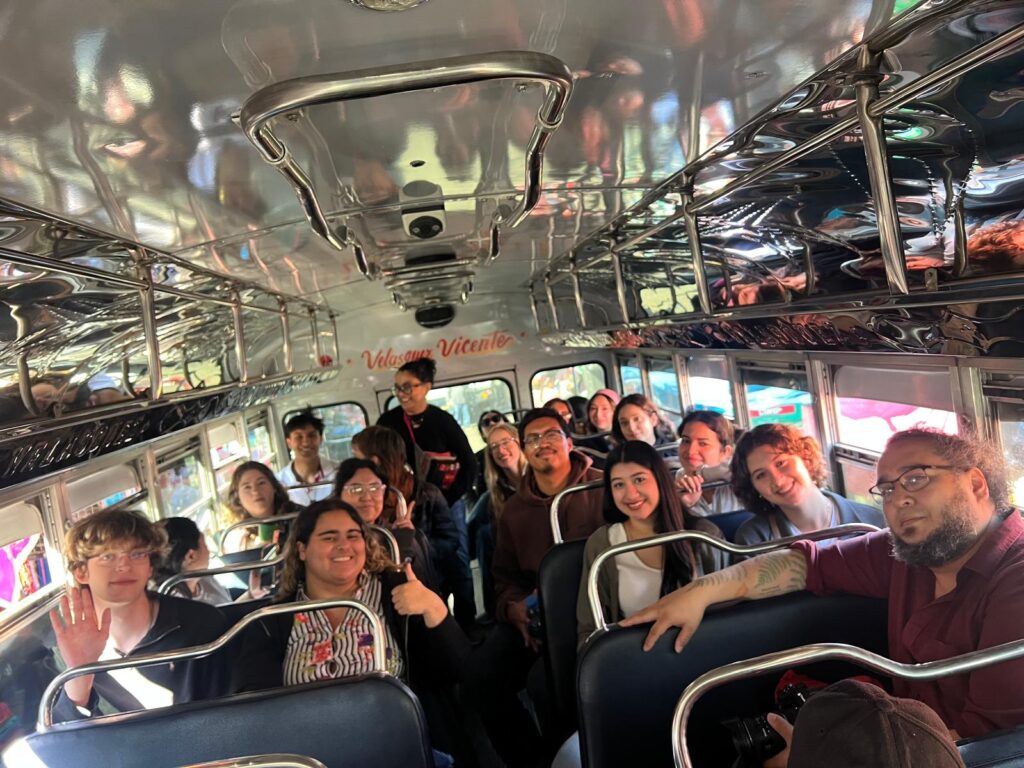
I’m excited to take a new group of students, to have them learn about Guatemala, and connect with community members and organizations who are actively working for human rights in the country. I am excited for students to experience a Guatemala that is different from the tourist websites and brochures. We visit rural areas and meet locals. I am excited for students to learn how local (US) organizations partner with international organizations.
Are there any new experiences, locations, or activities planned this year?
The itinerary will remain largely the same. However, there are a couple of locations we want to add. I am not sure at this moment whether it will be possible, but looking forward to revisiting the itinerary and making changes. The three major cities/towns in which we will be staying/lodging are Guatemala City, Quetzaltentango (also known as Xela) and Antigua. However, there are a total of 7 cities and towns we visit.
What skills or perspectives do you hope students gain from this experience?
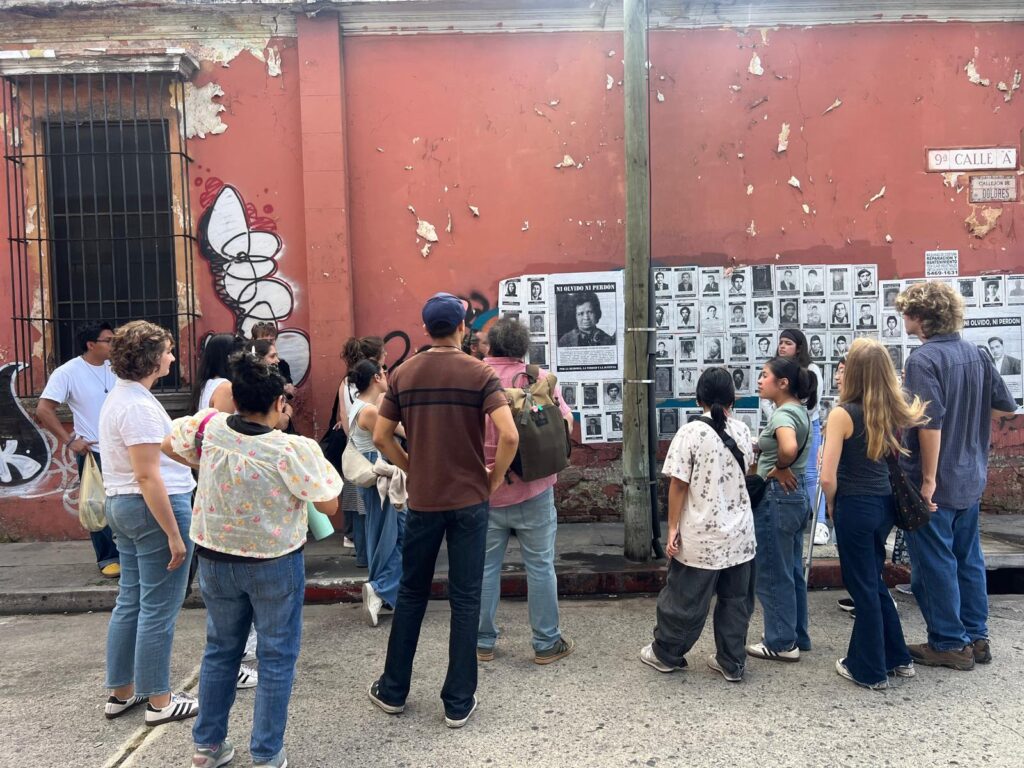
There are several. However, the two main learning lessons would be an understanding that human rights work is a long term commitment and that bandaid solutions do not really help. Another would be that there are people in Guatemala doing the work and have agency and a clear understanding of the historical and political context impacting the community.
How does the program connect classroom learning with real-world experiences abroad?
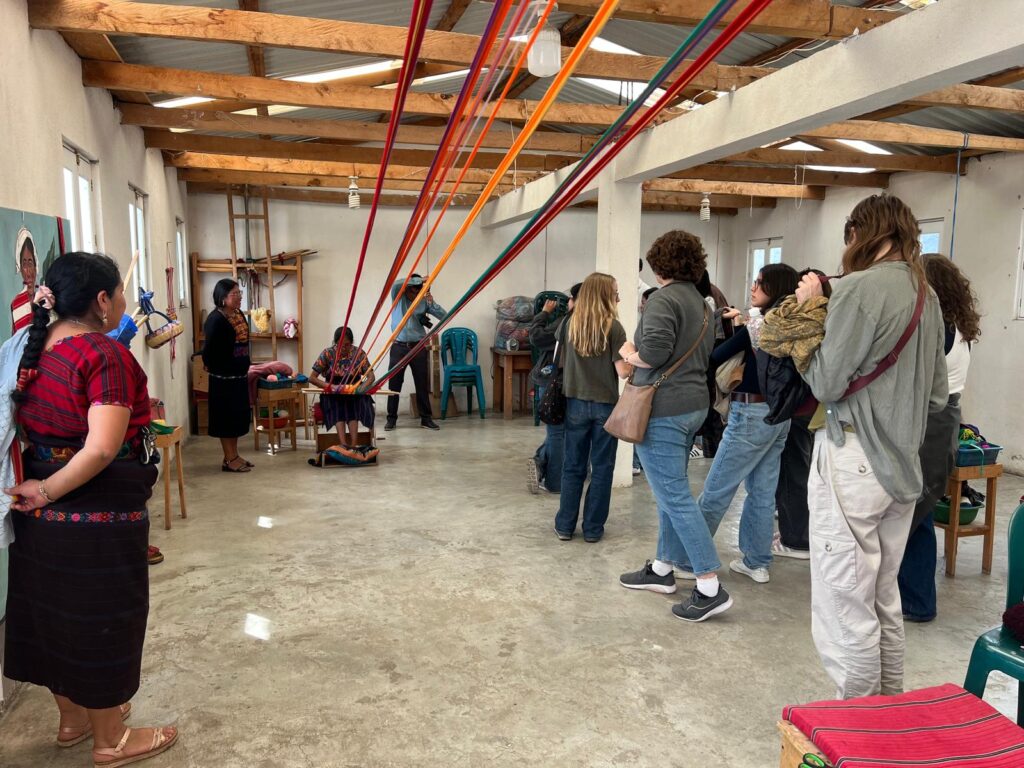
In the classroom, we read about the towns and the legal battles of some of our community partners. Students get to meet the people we read about, and they get to learn from them about their work: peaceful resistance, legal hearings, and international partnering.
What is one takeaway you hope every student leaves with?
When doing work with international partners, it is important not to have a savior complex. International organizations partner and collaborate. While it is important to share expertise, it is equally important to recognize each community’s expertise and knowledge.
Interested in this once-in-a-lifetime experience? Check out the Identities@Guatemala: Human Rights and Activism in the Americas page to learn more! (Deadline to apply is May 1).